

Sexual orientation refers to who a person is attracted to physically, romantically, and emotionally. Transgender people can have any sexual orientation. A trans man can be gay, straight, bisexual, or asexual, just like a cisgender man. Cultural Contributions and Language
The trans community has developed a nuanced lexicon to describe the human experience accurately. Terms like "cisgender," "deadnaming" (using a trans person's pre-transition name), and "misgendering" have moved from grassroots activist spaces into mainstream dictionaries, healthcare systems, and legal frameworks, shifting how the world talks about gender. The Evolution of Pride
Sexual orientation refers to who a person is attracted to physically, romantically, and emotionally. Transgender people can have any sexual orientation. A trans man can be gay, straight, bisexual, or asexual, just like a cisgender man. Cultural Contributions and Language
The transgender experience, however, is about being someone society says you shouldn't be.
Access to gender-affirming care—including hormone replacement therapy (HRT), surgeries, and mental health support—is recognized by major medical associations as lifesaving. However, trans individuals frequently face legislative bans, insurance denials, and a lack of educated medical providers. Legal and Political Attacks
During the assimilationist pushes of the 1970s, 1980s, and 1990s, mainstream gay rights organizations occasionally sidelined or explicitly excluded transgender individuals. The goal was often to appear more palatable to conservative lawmakers, a strategy that left trans people vulnerable and erased their contributions to the movement.
Moreover, the transgender community has revolutionized the symbolic and linguistic landscape of LGBTQ culture. The iconic rainbow flag has been supplemented by the Transgender Pride Flag—light blue, pink, and white—which now flies alongside it at marches and community centers. The introduction of pronouns into email signatures, social media bios, and everyday introductions, once a niche practice, is now a widespread norm, challenging the assumption that anyone’s gender is knowable on sight. This linguistic shift, driven by trans activism, has reshaped queer culture’s internal etiquette and its public face, fostering a broader sensitivity to the diversity of human experience.
If you are developing content for a specific platform, let me know:
Following Stonewall, Rivera and Johnson founded Street Transvestite Action Revolutionaries (STAR) in 1970. STAR provided housing, food, and community to homeless queer youth and trans women in New York. This established a blueprint for mutual aid that remains a cornerstone of LGBTQ+ survival and culture today. Language, Aesthetics, and House Culture
Pioneered by Black and Latine trans women and queer youth in Harlem during the late 20th century, ballroom culture created "houses" that served as alternative families. This culture gave birth to voguing, runway categories, and linguistic terms like "spilling tea," "throwing shade," and "work."
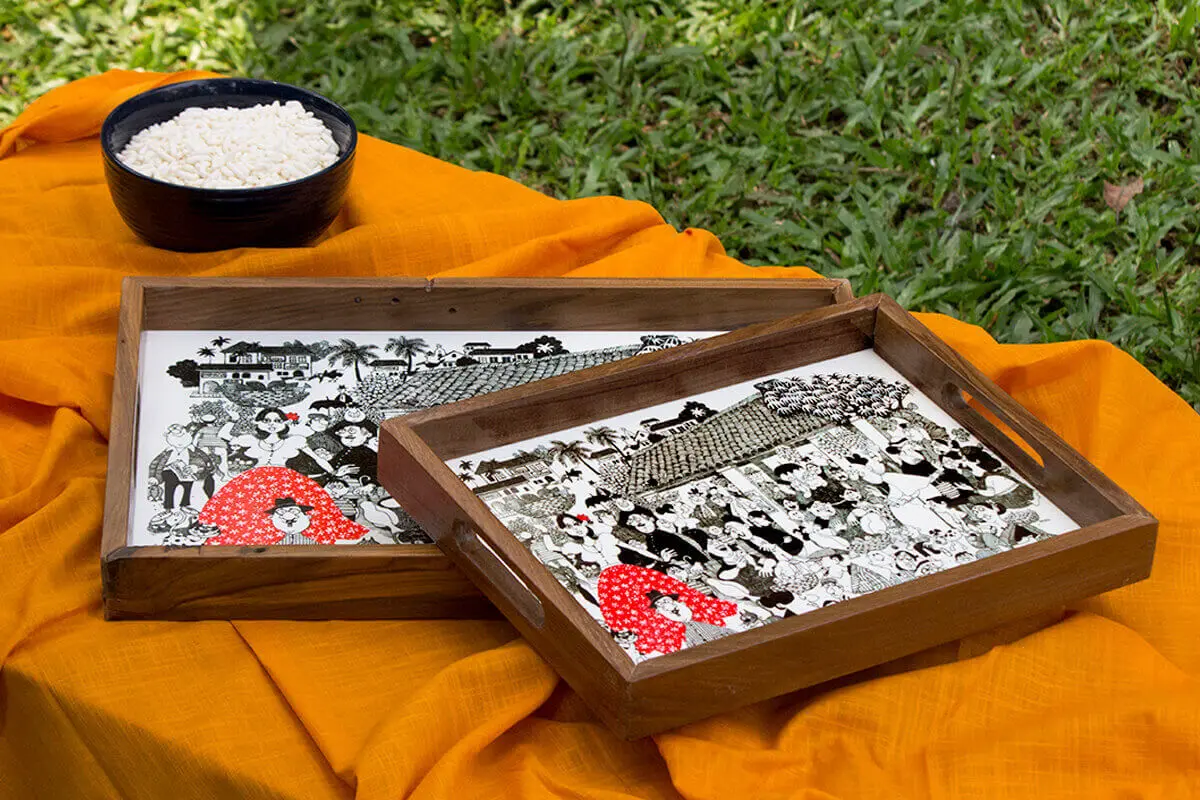
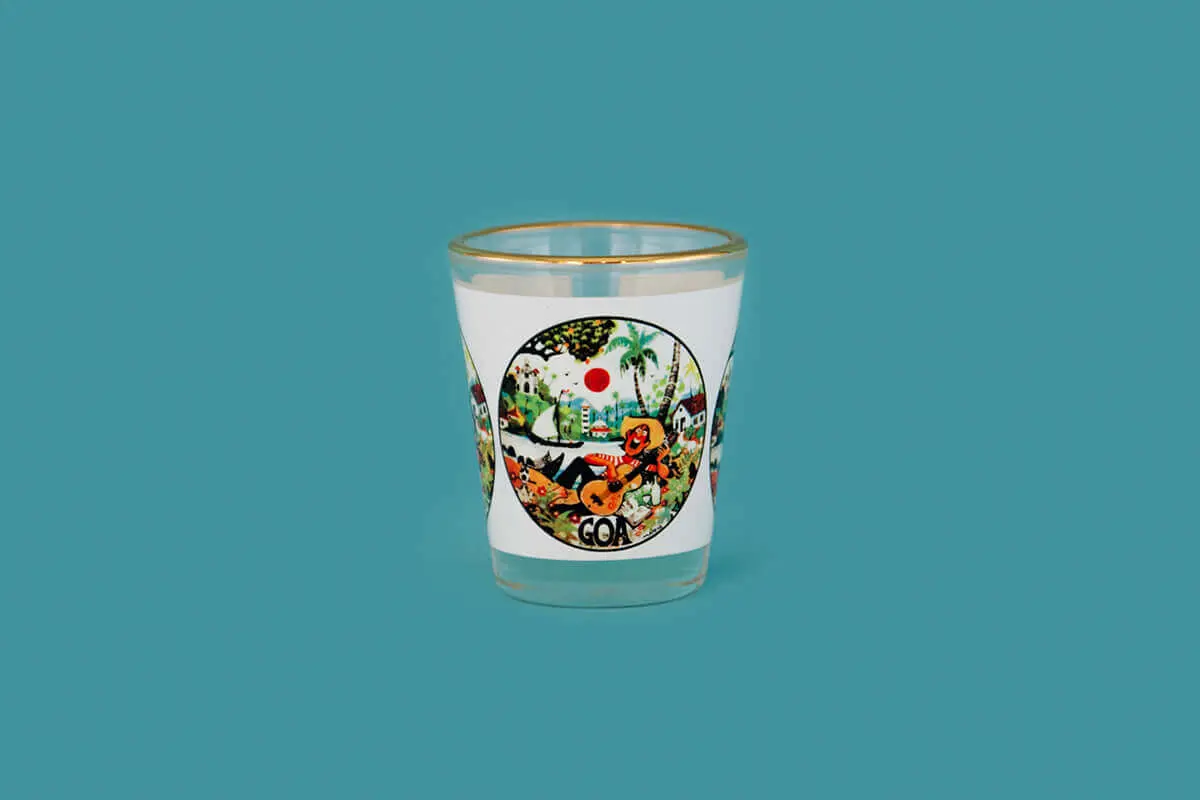
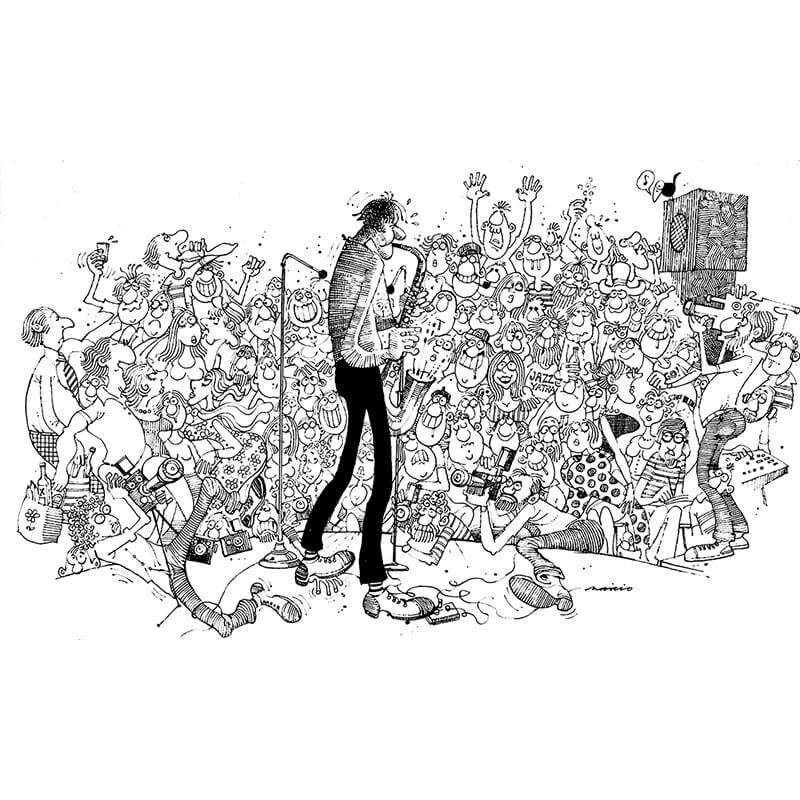
 One of the reason I came to Goa was because of Mr. Mario Miranda. My dream has been fulfilled. The high point of my visit, I grew up with Mario and thank you for printing out the pictures and the lovely gift.