SysInfo is an application for Motorola 680x0 based Classic Amiga and is used for getting information about the system like OS and library versions, hardware revisions and stuff.
Exactly 19 years after version 3.24 of SysInfo it's time for an update! The original author Nic Wilson has kindly given me permission to continue the maintenance of this old classic.
A
If you want information when new versions of SysInfo is available, please subscribe here.
Download latest Beta or Release Candidate here, please report bugs and feature requests:
The benchmark results provided by SysInfo is currently not verified on M68060 Amigas and useless in emulators set up to emulate faster than early classic amigas!
Two reports of 1 MB ECS Agnus (NTSC 8372A) identified as a 2 MB Agnus.
When using tools to rearrange windows, "dialogs" can be put behind the main window.
In WinUAE, when enabling "Fast as possible" & JIT it craches after Speed test when scrolling the libraries list.
I want more bug reports! Mail it to SysInfo (at) d0.se or use the contact form.
Changed handling of speed numbers, if big, don't print decimals
Replaced "Chip Speed vs A600" algoritm to use a lot less instructions and a lot more CHIP mem accesses resulting in a more relevant value. This results in significantly lower value for machines with instruction cache (68020+), which is more accurate because instruction cache should not affect CHIPMEM access speed.
Added support for AC68080 frequenc support
Update will no longer try to open 68040/68060.library when there is no such CPU
Bugfix: 68040/68060 non FPU guru fixed, again!
Lots of updates/corrections in the SysInfo.guide documentation.
The DRIVES/SCSI function was not 'Close'ing each drive that it 'Open'ed after the function was finished.
Bitly 30lcpox Today
If this link was shared alongside coupon codes or product photos, it is almost certainly a sales or affiliate link.
: Do not click bit.ly/30lcpox unless you can confirm its legitimacy through trusted, out-of-band communication.
At its core, a link shortener acts as a digital switchboard. When a user creates a shortened link, the platform takes a long destination URL and assigns it a unique identifier within its database—frequently a case-sensitive, alphanumeric string known as a "hash" or "slug."
Because shortened links hide the final destination, they are occasionally used by bad actors for phishing or malware. If you encounter "bitly 30lcpox" or any other short link and are unsure of its safety, follow these steps: bitly 30lcpox
When the heavy door finally swung open, the sight that greeted them was pure horror.
However, I can give you a for investigating any unknown Bitly link like that.
This public link is valid for 7 days and shares a thread, including any personal information you added. This link or copies made by others cannot be deleted. If you share with third parties, their policies apply. Can’t copy the link right now. Try again later.
The primary purpose is to make a link more shareable, trackable, or visually appealing.
The platform is extremely popular, shortening around 600 million links each month. The problem is that its very utility—hiding a long, original URL behind a short one—can be weaponized. As the ExpressVPN guide notes, "Bitly itself is a legitimate service; the company isn't out to harm you. But bad actors can abuse any URL-shortening service, and Bitly is no exception". When a user creates a shortened link, the
To avoid confusion with links like 30lcpox in the future, consider creating custom, descriptive short links when you share content.
: The server issues a permanent redirect instruction, sending the user seamlessly to the target webpage. Why Link Optimization Dictates Modern Marketing Success


 APPS
APPS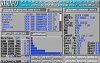
 download